The Coexistence Plan, at full capacity
The group of Coexistence plan it is responsible for giving shape to everything that the school has been doing for years to promote good coexistence, and also, to see the current conflicts or the issues that most concern the entire educational community and try to respond to them.
Last year they conducted surveys in all areas of the school and extracted what was of most concern to each sector. Once with this, they began to develop a first proposal to start working in a network.
This proposal consists of drawing up our coexistence guidelines based on what worries us the most.
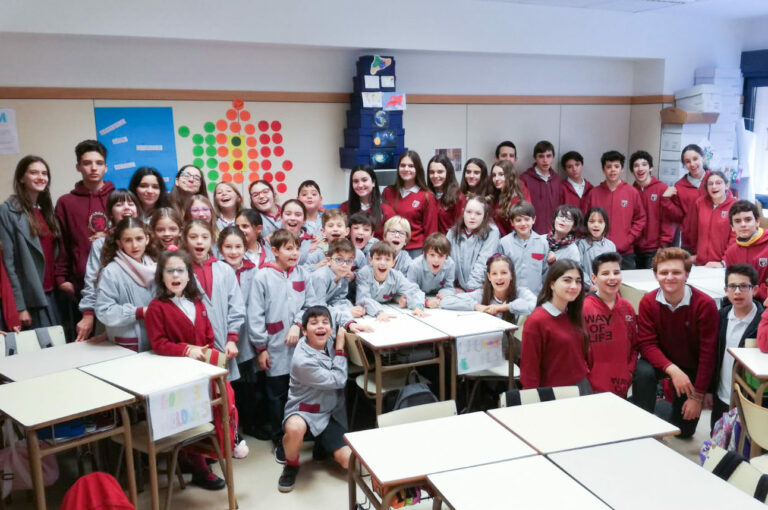
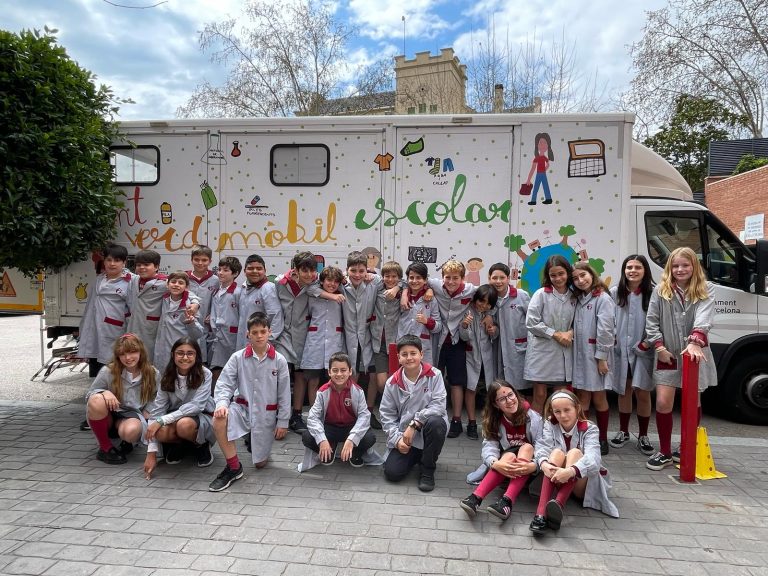
Initially this work is being done with the students. During the first weeks of the course, with the Project 0, the students made a list of what worried them most in four school areas: dining room, playground, trips and outings. They then worked on what is and is not a GUIDELINE and what guidelines we could put in place to try to avoid those identified problems.
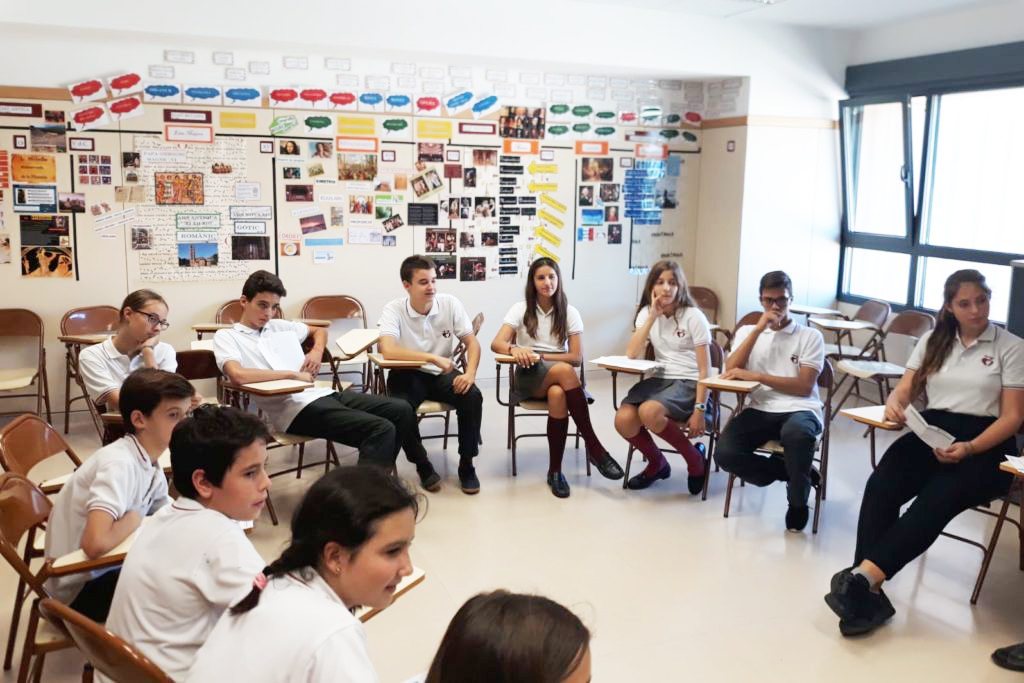
The secretaries of each class held two meetings where they shared what each class had agreed upon and then produced informative posters to promote the FINAL GUIDELINES. Each secretary returned to his class with his posters and took it upon himself to explain them to all his classmates.
This is only a first part of the work. During the course we will review them and work on restorative proposals that help us reduce the conflicts that may appear.


The most important of all this is the involvement of the protagonists in its preparation, monitoring and proposals for restorative measures in the event of non-compliance. All this makes the students value the work much more and above all, by giving importance to what concerns them, we motivate them and involve them in the whole process. The action-reaction/punishment behavior disappears to establish a community where the solutions to conflicts are solutions thought up by the protagonists, where the answers or consequences are logical and consensual and where each person has the tools to be able to do it without always depending on a third person
The road is long and the work complex, but little by little and with a good letter we will succeed in moving our school even further to a place where everyone feels that they are part of it and are calm and at ease, a good place for all.
"Our first impressions with the process are very positive. I remember the moment when we met the primary school secretaries and little by little they entered our "meeting room" with their label with the name of the course they represented, their notes of what they had discussed in their class and that surprised face to see so many people ready around the table. One of the sixth form secretaries offered to run the meeting and take the minutes. Once they were all sitting expectantly, we began the presentations where, with more or less shyness, each one said his name and the class he represented. Then they started talking about the guidelines proposed by each class for one area, and so with the remaining three. At first they did it very mechanically and formally, but little by little they gained confidence and started a very enriching debate, young and old, about the guidelines, how to write them and whether they were really necessary or not. Of course, when they finished, they all left with a big smile and a face of satisfaction at having done a job well done." (Paula Fernández, responsible for the Coexistence Plan)
The second day was dedicated to preparing the dissemination and promotion of the final lists. They thought about where to hang the promotional posters, stuck them up and recorded a video explaining the whole process we had followed. Finally, each secretary had a folder with the posters for their classes and explained them to all their colleagues.
Now it's time to commit. Each student has taken a copy home, and with the family, must read it again and sign as a symbol of commitment to respect them.
Here is the video of the whole process!